

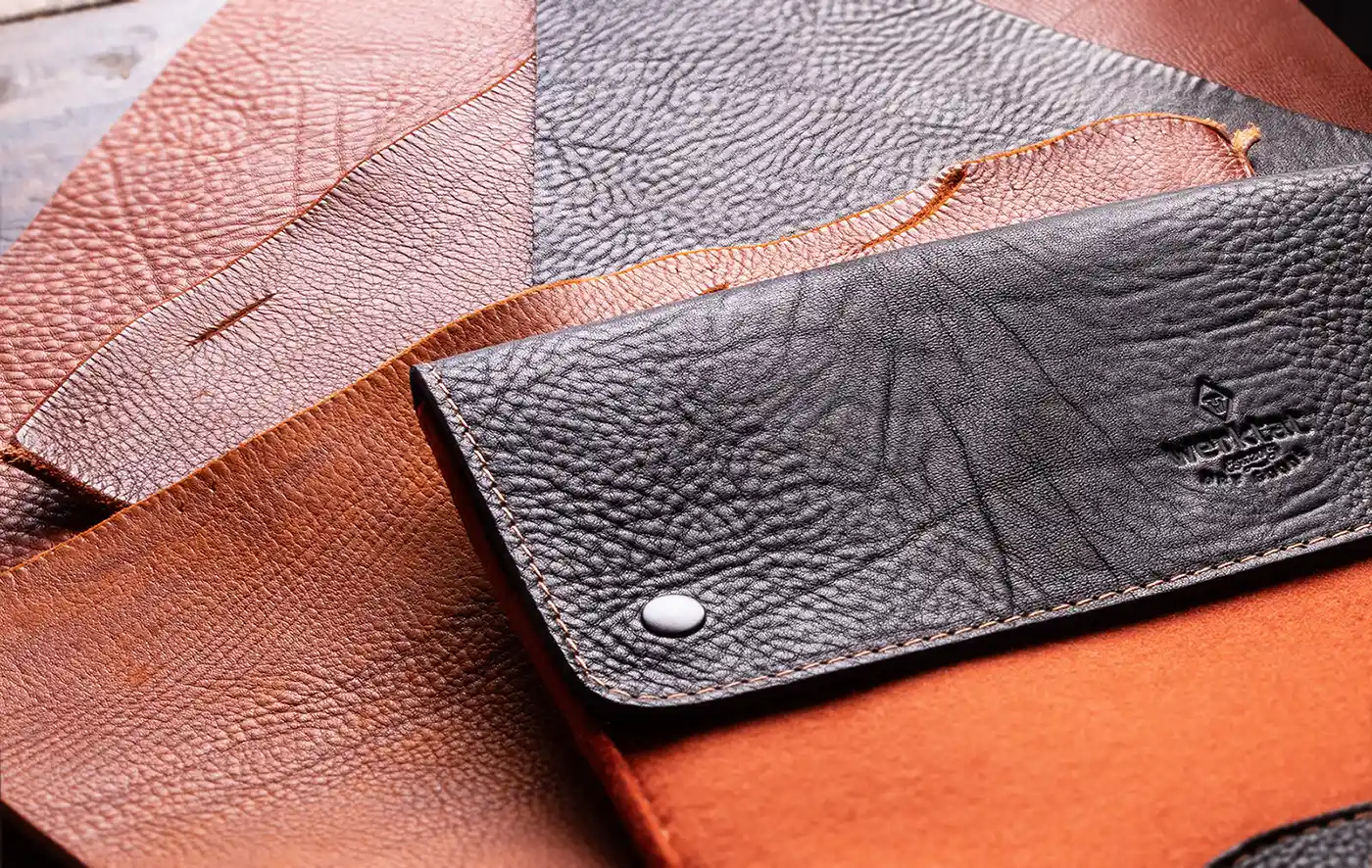
Flaws in leather – why imperfection is sustainable
Leather is a natural product—and that's exactly what makes it so special. Every hide tells its own story. Small flaws and irregularities are not a sign of inferior quality, but proof of authenticity. At a time when sustainability is becoming increasingly important, conscious handling of such leather flaws is also coming into sharper focus.
What flaws can leather have?
Small bites or punctures, such as those caused by insects, leave small marks on the surface. Scars and scratches are caused by natural injuries, for example from thorns or movement in the animal's life. Wrinkles and stretch marks can be visible, especially in the neck or belly area, caused by growth, movement, or even pregnancy. Color irregularities are also a natural characteristic of leather: differences in color or grain make each hide unique.
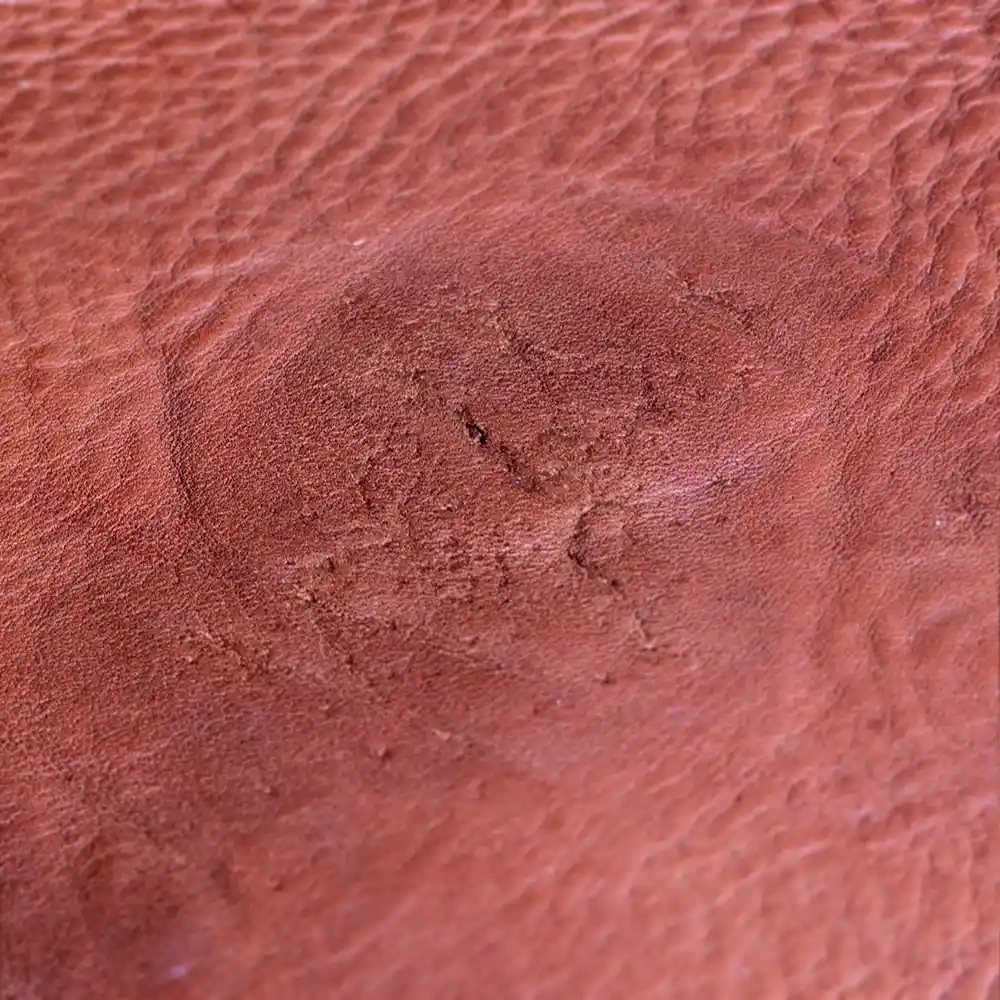
Punctures in the leather: Small holes caused, for example, by insects or animal activity
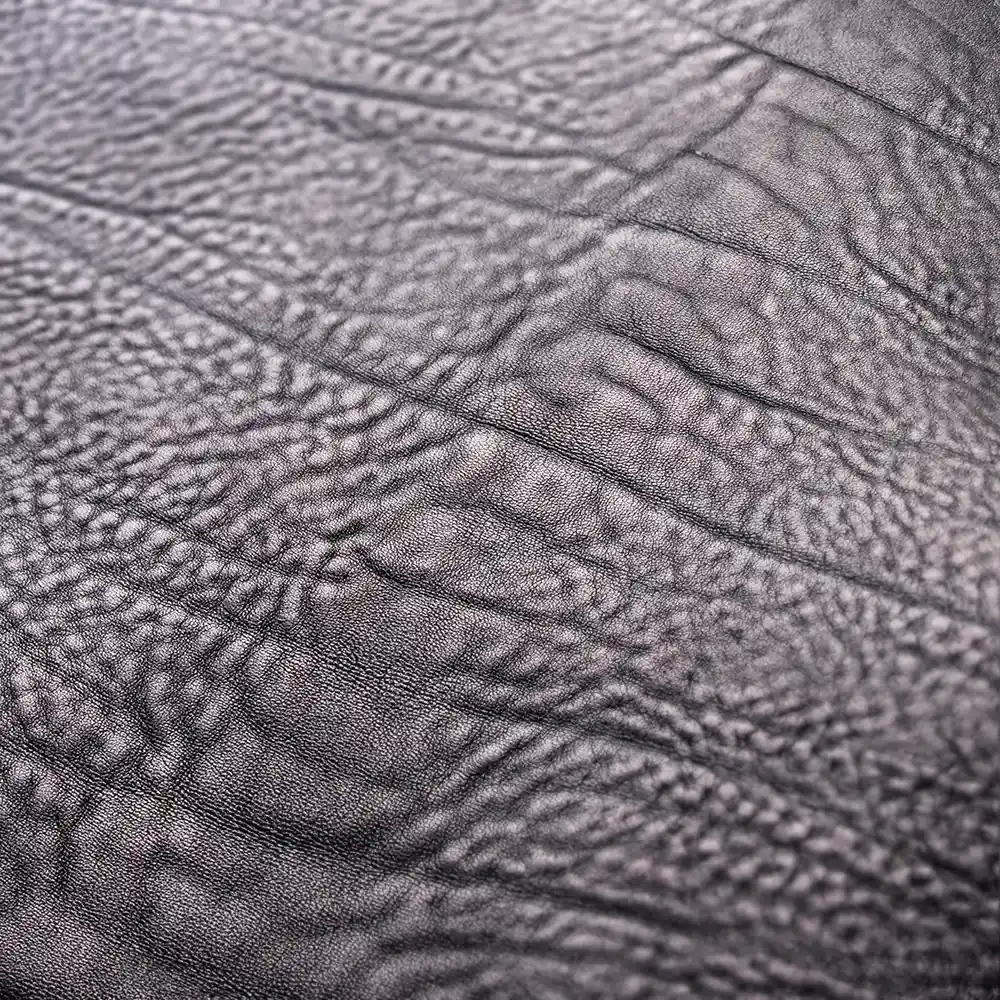
Coarse wrinkles or scars – often caused by the animal's life, e.g., when lying down, fighting, or moving.
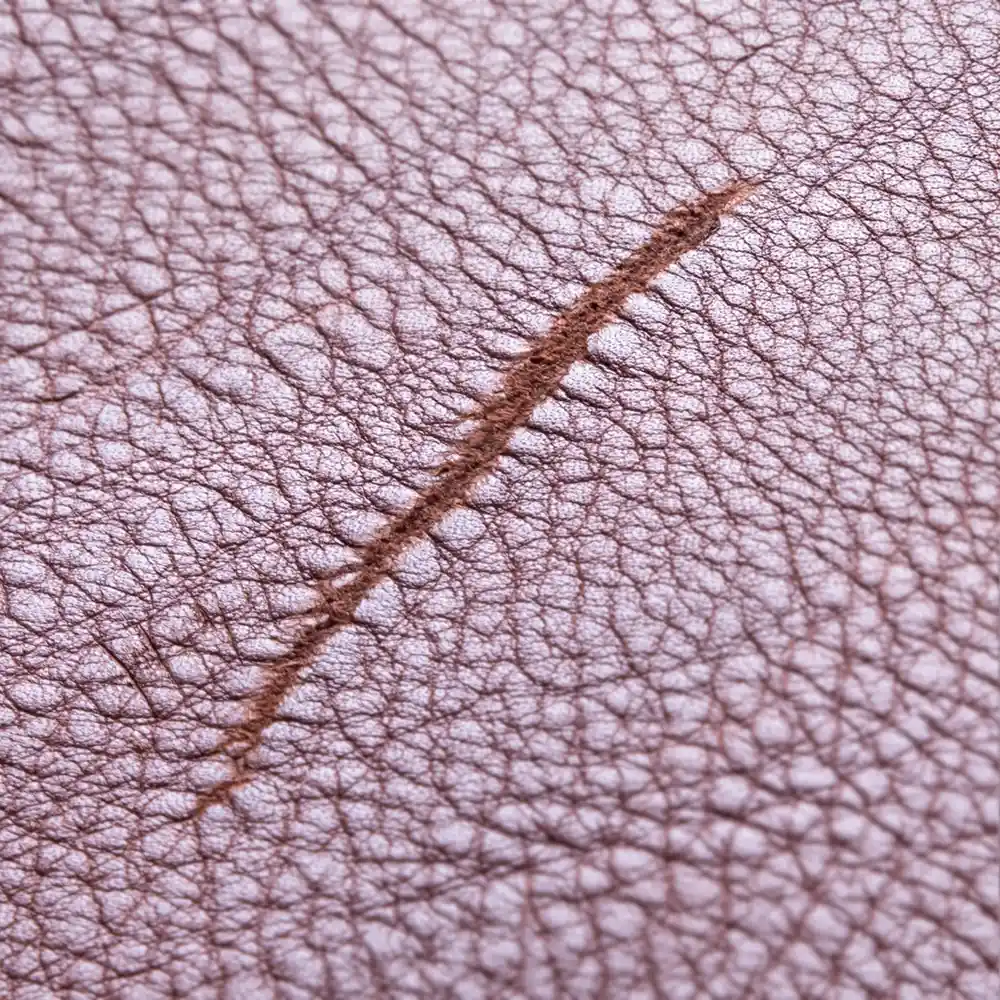
Cuts and tears in the leather may have occurred during processing or during the animal's natural life
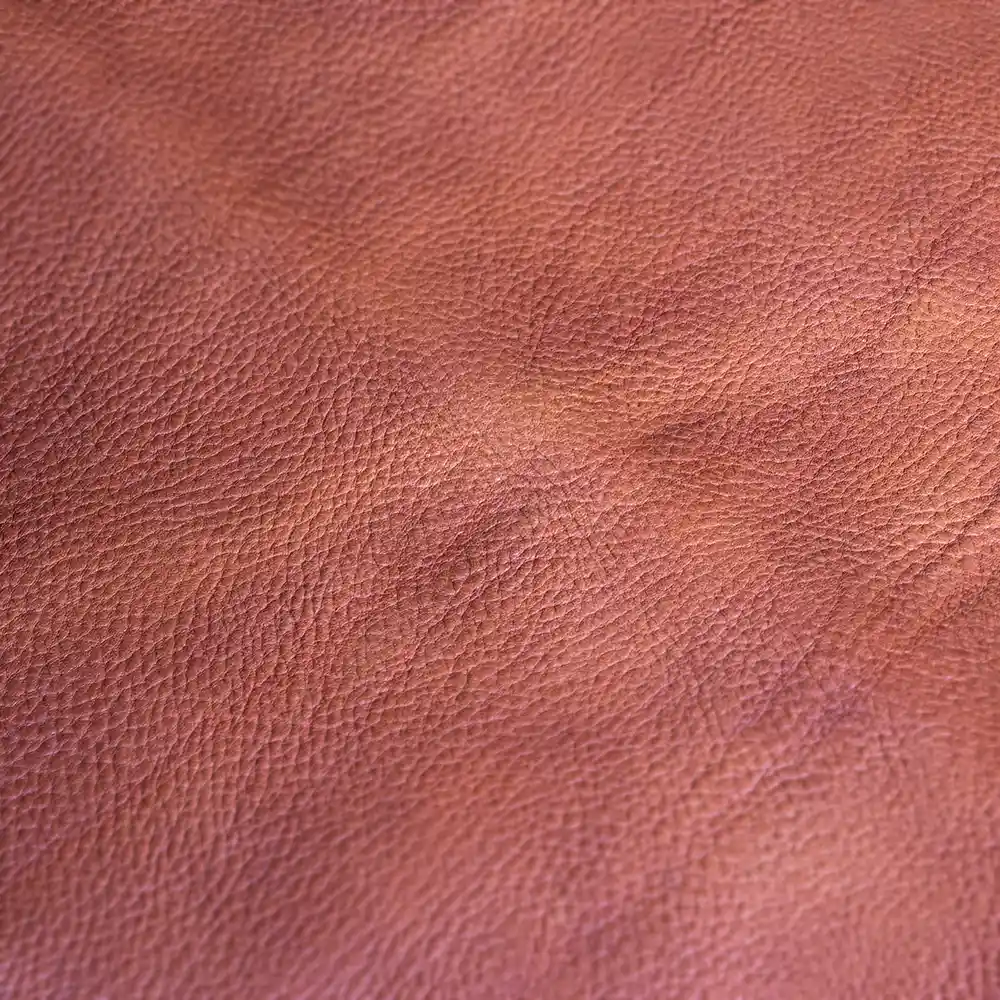
Color irregularities – differences in the coloring or grain of the leather
These characteristics do not impair the quality or durability of the leather—on the contrary: while industrially perfect leather is often heavily coated or corrected, natural leather remains breathable, durable, and develops a unique patina over time.
Our approach to dealing with so-called “mistakes”
In conventional production, hides with visible irregularities are often discarded. This means that valuable material is not used, even though it is functionally flawless. We take a different approach and see not the flaw, but the potential that arises from uniqueness. In this way, we create high-quality products with character.
Sustainability begins with consciously accepting the natural characteristics of leather. Using hides as completely as possible reduces waste and conserves valuable resources such as raw materials, tanning agents, auxiliary materials, water, and energy. At the same time, this creates uniqueness: each product becomes one of a kind and deliberately stands out from mass-produced goods – a win for materials, people, and nature.
Flaws as added value
Visual irregularities in leather are often perceived as a quality defect in conventional production. The focus here is on uniformity and a standardized appearance of the products. In contrast, we see them as a sign of authenticity, sustainability, and quality craftsmanship. We deliberately highlight these so-called flaws. This approach is appreciated by our predominantly design-conscious and sustainability-oriented customers, who show a high level of acceptance for natural characteristics. They value the resulting individuality and uniqueness of the products.
Transparency towards our customers
To ensure that this naturalness is not only understood but also consciously chosen, we attach great importance to clear and honest communication. Our customers are informed in advance, both visually and in writing, about exactly what to expect.
For repeatable products, we show typical characteristics such as scratches, scars, or irregularities as examples—just as they are likely to be visible on the delivered product. Examples:
Office satchel bag of leather & felt
Shoulder bag leather & felt crossbody
Foldover shoulder bag for women of leather & felt
rustic MacBook case from leather & felt
Individual items, on the other hand, are always shown in their original form. This allows customers to see exactly what product they will be holding in their hands before they buy it. Examples:
Very unique case for MacBook Pro Air 13" leather felt
One of a kind case MacBook Pro 14 inch
uniquely: MacBook Air 15 inch case
16 inch MacBook Pro case unique
Unique: Surface Pro 13 inch case
In this way, we build trust, avoid surprises during delivery, and make the uniqueness of each leather product transparent and tangible.
Holistic use of valuable resources
For us, sustainability does not end with the selection of hides, but continues consistently throughout the processing stage. That is why we make a conscious effort to also manufacture smaller leather goods, which allow us to make good use of high-quality leftover material. Leather scraps that are no longer suitable for larger products are given a second life—for example, in the form of accessories or functional everyday companions. This allows us to reduce cut-offs, avoid unnecessary waste, and increase the added value of each individual piece of leather. At the same time, we create products with the same quality, durability, and care in workmanship as our larger pieces. Examples:
Conclusion
Flaws in leather are not a weak point, but a sign of strength. They do not affect functionality or durability, but lend each product individuality and character. Choosing leather with character is not only an aesthetic choice, but also a sustainable one.


